Development
This article is part of the beginner’s guide to film photography, to see the entire guide, please click here:
Film Photography Guide
The Final Hurdle
You’ve shot your film, you’ve safely removed it from your camera of choice, and now you want to see the results.
This is best done sooner rather than later, so it’s time to decide what you want to do with your film.
Mix & Match
You also need to make sure your chosen lab can process your specific film. Most labs will process 35mm & 120 C-41 colour film, and black and white, but if you’re shooting anything else it would be beneficial to check they can process it. For more information on the types of film you might choose to shoot, check out our film guide:
How to Choose Film
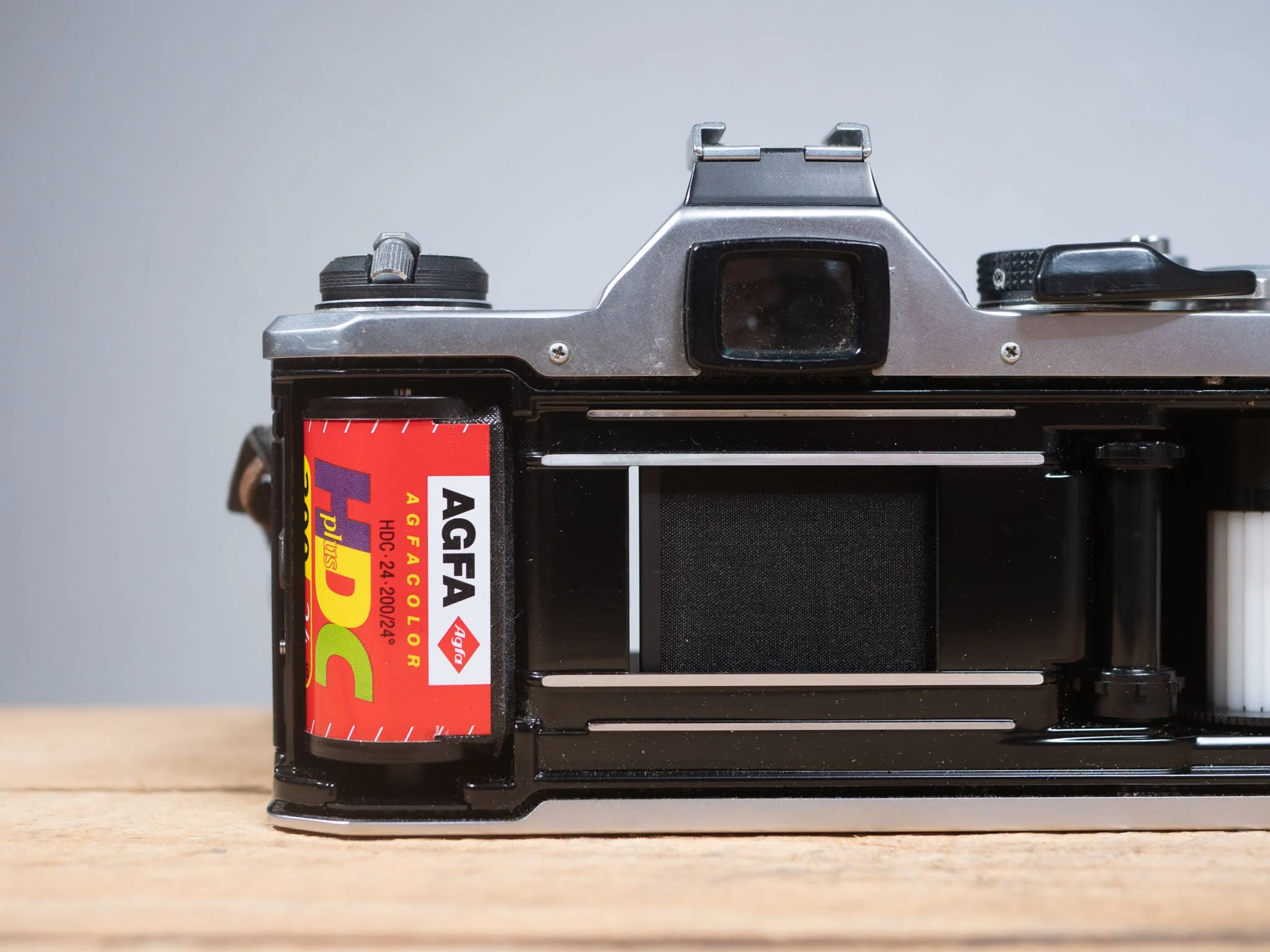
You can also mix and match your processing. I home develop black and white film stock, and leave colour development to my local lab, filmprocessing.co.uk. I’ve never had any problems with them, and they are always friendly and professional. I home scan my negatives, so I choose development only, which can save a fair amount of expense.
How Labs Work
Whether you drop your film off, or mail it in to you chosen lab, you’ll need to decide what you want done with it.
Development only
The lab develops your film and returns your negatives. You then need to scan your own negatives, to turn them into digital image files. This can be labour intensive, but you can get some very good results with practice. You can find a guide on DLSR scanning here:
Digital Camera Scanning Guide
Development & Scanning
Arguably the most popular option, the lab develops your film, and then scans it themselves. You get an email with your images as digital files, and if it’s a good lab, your negatives back as well.
You’ll often have a few options to pick from regarding image quality, with the higher quality the scans, the more expensive the process.
If you’re photos are only going to be used on social media, and any prints are going to be small snapshot styles, then you can safely choose the lower resolutions. If you’re hoping to print large versions, or would like to crop your images, then you’ll need to consider the higher quality scans. Its worth noting that most labs will rescan negatives at a later date, so you can change your mind if a shot comes through that means a lot to you.
Prints
Most labs will offer prints of your images as well.
There are traditional ways to negatives into prints, but for the most part modern labs will take a that digital scan and print from that.
Professional Development vs. Home Development
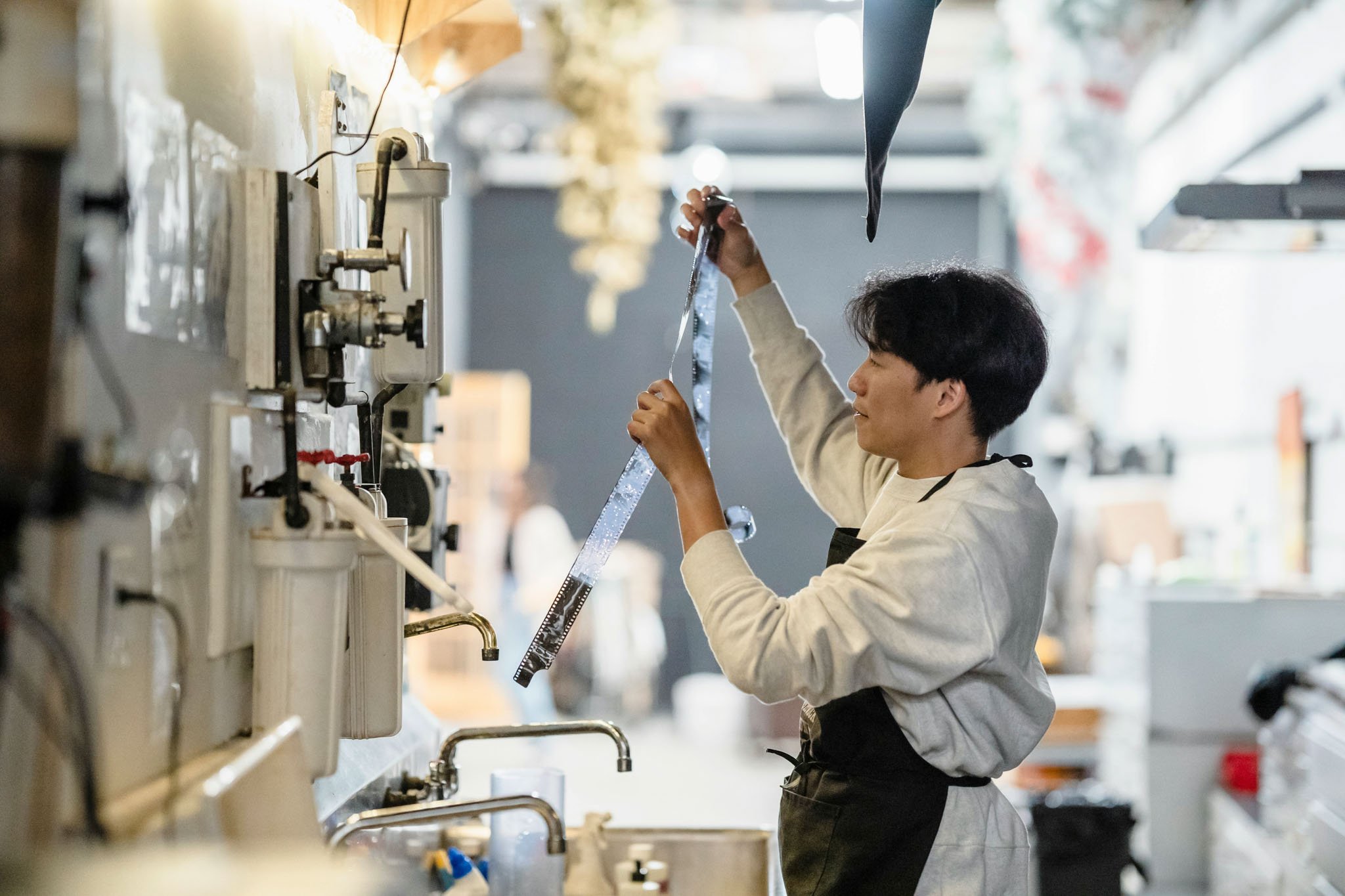
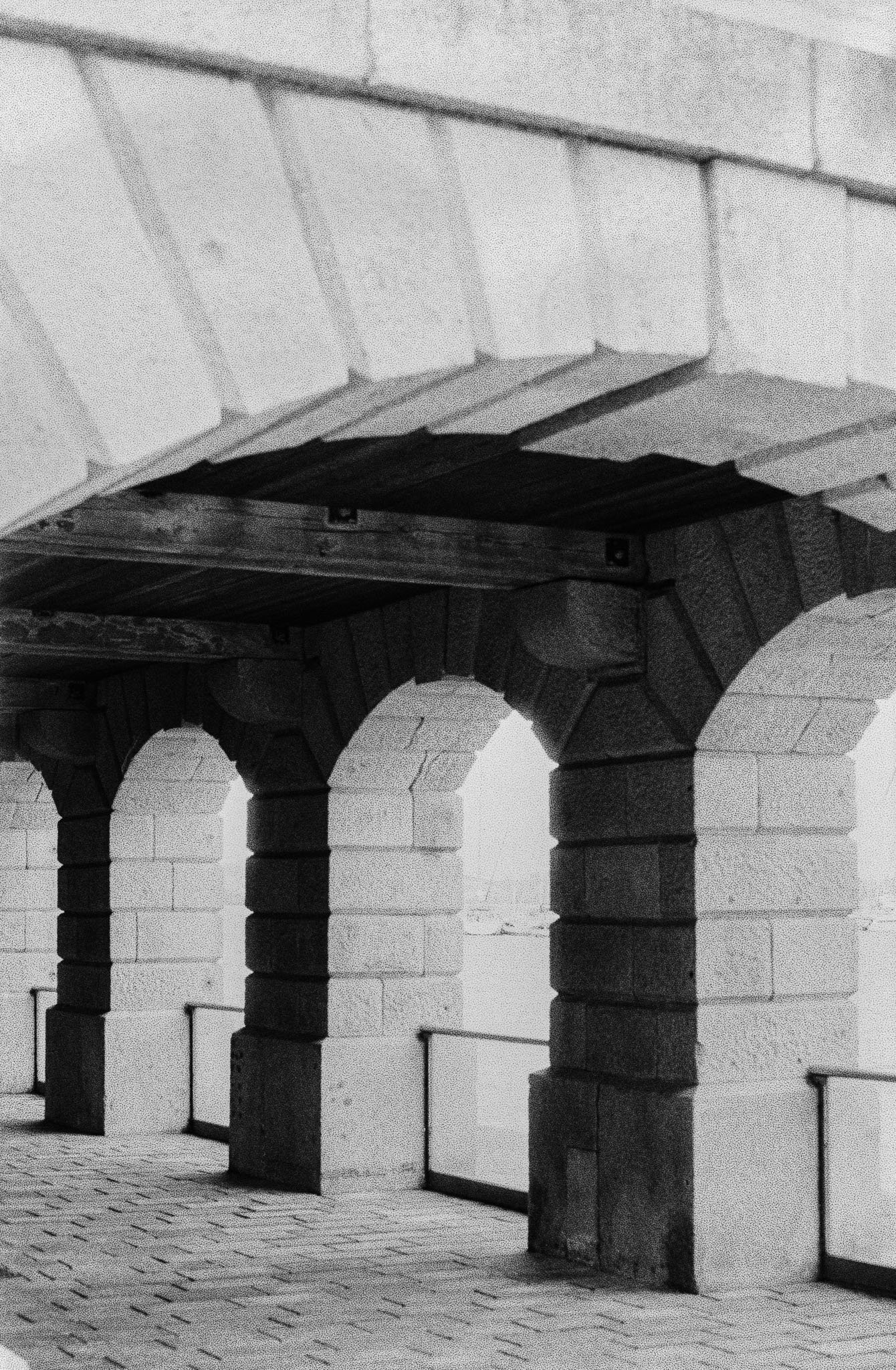
Home development offers flexibility, savings in the long term, and a more intimate understanding of the process, but it is not something you should consider until you are certain of your enjoyment of film photography. If you want to read up on home development, look at a guide here:
How to develop black and white film
How to develop colour film
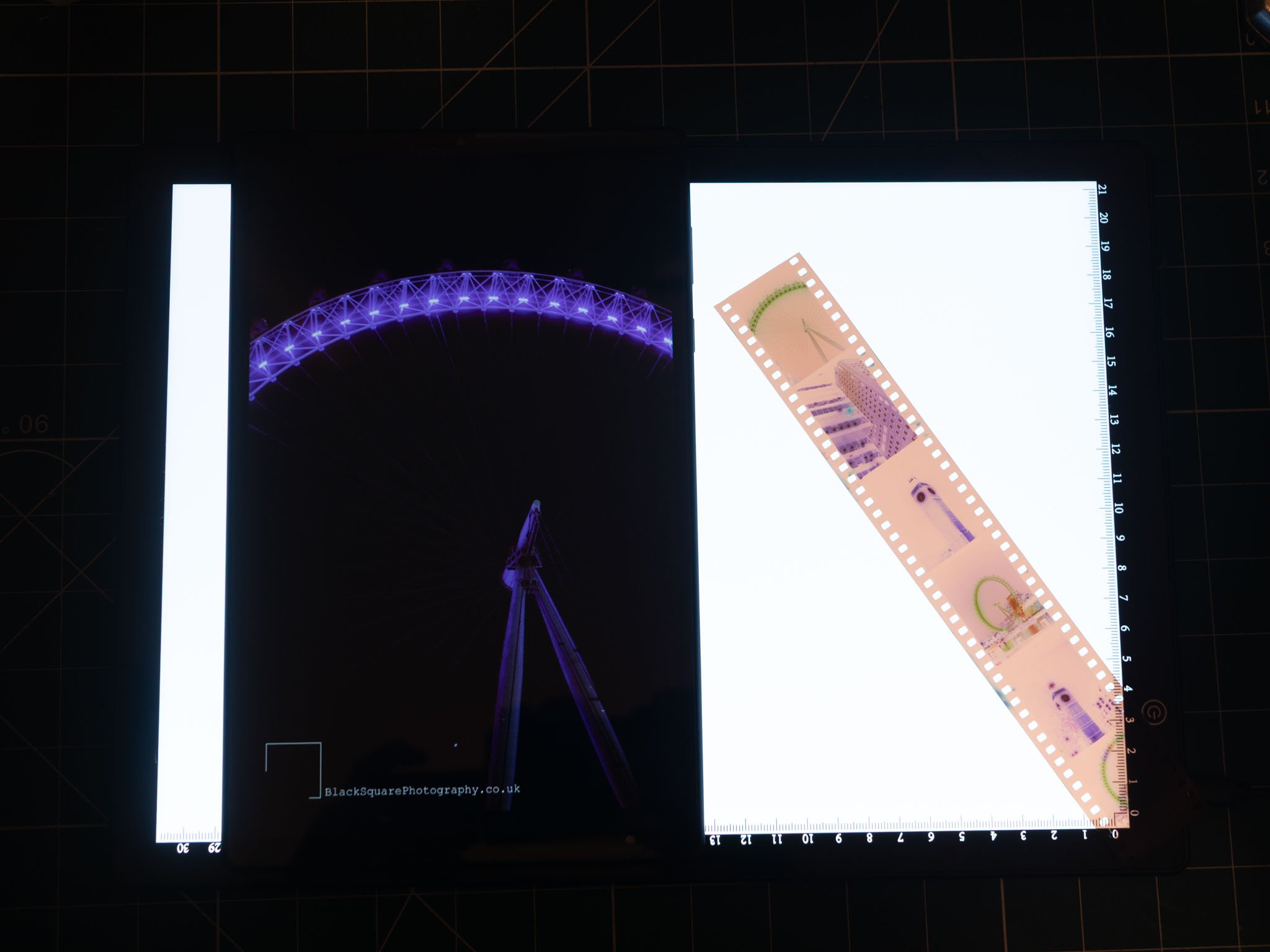
Not all Labs are created equal
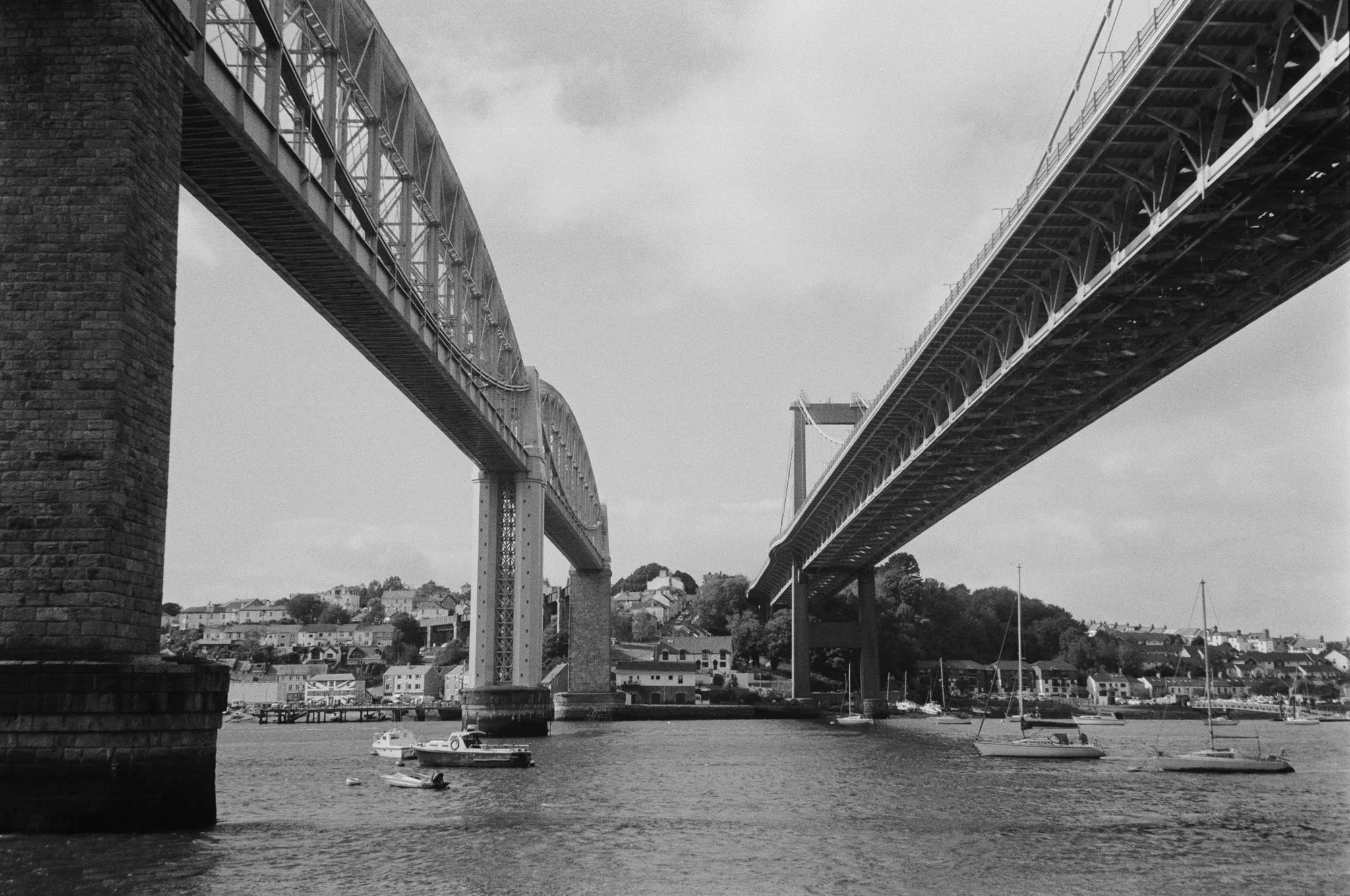
Now it’s time to choose a lab. There are local labs, and big chains, as well as mail in labs. All have their pros and cons, but there are a few things to look out for.
The usual rules apply as with any business, a personal recommendation is a good indicator, and failing that, good online reviews are reassuring.
Good labs will be very upfront with there turn around times. The time it takes for a lab to return your images varies wildly, from hours to weeks. It also tends to vary between colour and black and white, and can vary depending on the format of the film.
Aside from that there are two main things to look out for, the range of services, and whether they return your negatives. A lab that doesn’t return your negatives is one that I would personally avoid. You probably would have elected to have your negatives scanned, and delivered to you digitally, but having the negatives in your possession offers you a few future opportunities. If you have the negatives, you can rescan them at a later date at a higher quality, and more importantly, negatives are a much more accurate way to diagnose issues with your camera.
Final Thoughts
At this stage you’ve got yourself a camera, picked your film, shot it, and had it developed. Well done! As you now know, it’s quite a bit more of an involved process compared to digital photography. That will either have been a rewarding experience, or all a bit too much for the results.
If you have enjoyed the process, then it’s time to go again. Maybe choose a different film this time, a different style of shooting, or maybe take the plunge and grab another camera, or several if you’re anything like me.